Short answer: Water hammer is the bang you hear when a tap or appliance valve shuts quickly and moving water stops suddenly. It is worse when mains pressure is high, which is common in homes low in Sheffield's valleys, and when pipes are loosely fixed. Fixes include securing pipes, replacing a worn ball valve, fitting an arrestor or a pressure reducing valve.
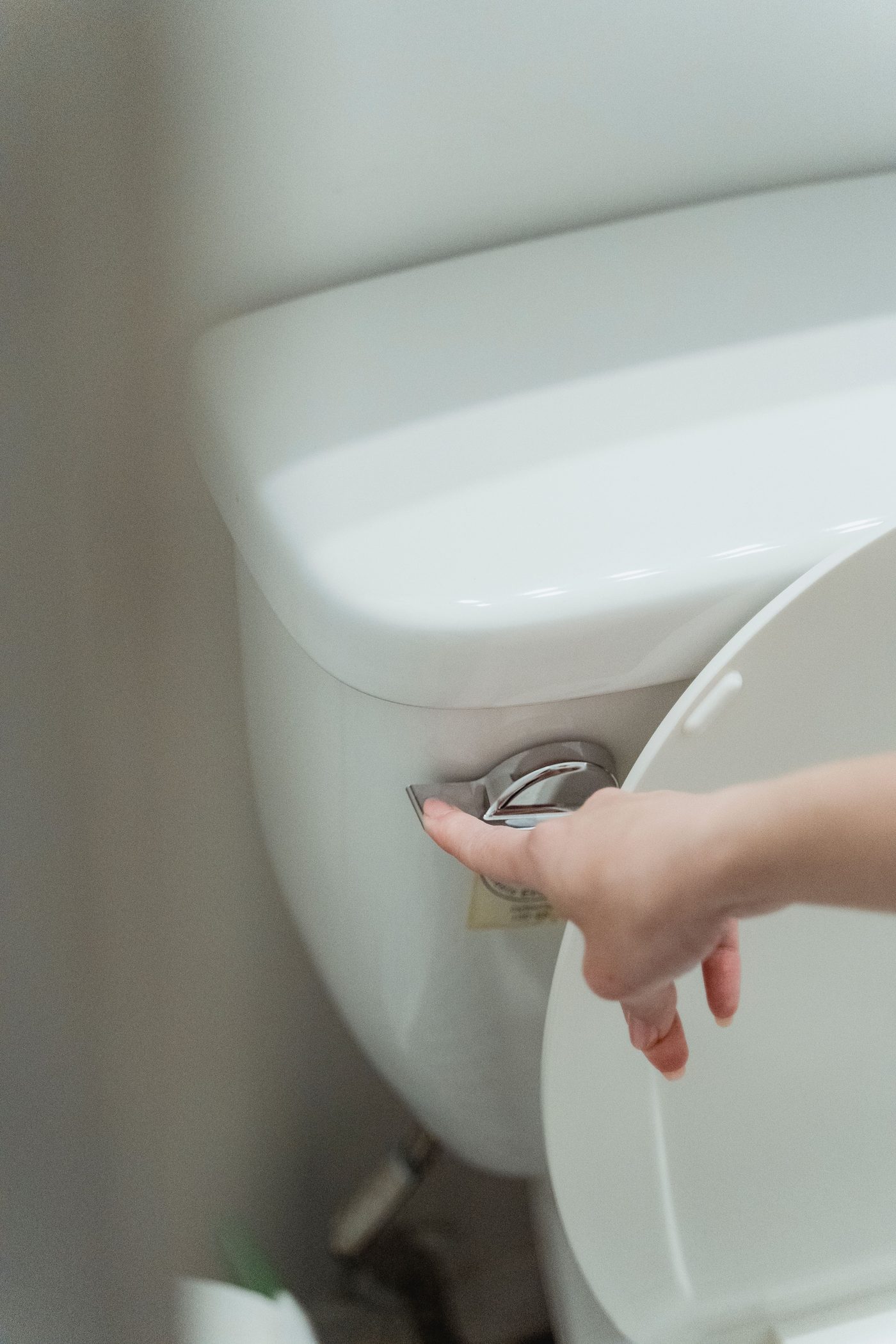
You turn off a tap and somewhere in the house the pipes bang. Or the washing machine finishes filling and there is a thud under the floor. That is water hammer. It is common, it is fixable, and in a hilly city like Sheffield, where you live on the slope can make it worse.
What water hammer is
Water moving through a pipe has momentum. When a valve shuts suddenly, that moving water has nowhere to go. It stops dead and sends a shock wave back along the pipe. If the pipe is loose, it jumps and hits whatever is next to it, a joist, a wall, another pipe. That is the bang.
The things that make it worse:
- Fast closing valves, such as quarter turn taps, washing machine and dishwasher solenoid valves, and some toilet fill valves.
- High water pressure, because the water is moving faster and harder.
- Loose pipes, because they have room to move and hit things.
- Long straight pipe runs, which carry more moving water.
Why it can be worse in low lying Sheffield homes
Mains water pressure depends on how high your house is compared with the service reservoir. Yorkshire Water’s water pressure guide explains that the lower your home is in relation to the storage tank, the higher your pressure.
Sheffield’s streets drop steeply into the valleys of the Don, Loxley, Rivelin, Porter and Sheaf. Homes at the bottom, such as in the lower streets of Hillsborough near where the Loxley meets the Don, can get strong pressure. Homes on the ridges above, in Crookes or Walkley, can get much less. A house with high pressure and quick closing valves is a perfect setup for water hammer. Our Hillsborough area page covers other plumbing issues in those streets.
Other banging noises that are not water hammer
| Noise | When | Likely cause |
|---|---|---|
| Single bang when a tap closes | Cold water, any tap | Water hammer |
| Repeated rapid knocking after a toilet flushes | Cistern refilling | Bouncing ball valve |
| Ticking or creaking as heating warms up | Heating on | Pipes expanding against joists |
| Banging from the boiler | Heating on | Overheating or kettling, see below |
| Rumbling from a cylinder | Hot water heating | Scale or overheating |
If the noise is from the boiler, our post on a boiler making noise explains the causes.
Fixes, from simplest to biggest
1. Secure loose pipes
Many old Sheffield terraces have pipes running under suspended timber floors or through cellars with few clips. Adding pipe clips, or packing foam between the pipe and the joist, often stops the noise completely. This is the first thing to try.
2. Replace a worn ball valve
If the banging happens when a toilet or loft tank refills, the float valve may be old or worn and bouncing as it closes. A modern quiet fill valve usually solves it. Our post on a toilet that keeps running covers fill valves too.
3. Fit a water hammer arrestor
A small arrestor is a short device with a cushion of air or a spring inside. Fitted near the valve that causes the problem, such as behind the washing machine, it absorbs the shock. It is a simple fit.
4. Close taps more gently
Quarter turn taps shut very fast. Closing them more slowly helps, though it is not a real fix.
5. Fit a pressure reducing valve
If your mains pressure is very high, a pressure reducing valve fitted after the stop tap lowers it for the whole house. That reduces water hammer and puts less strain on taps, valves and appliances. A plumber can measure your pressure first to see whether it is needed.
6. Check the stop tap
A worn stop tap with a loose washer can chatter and cause knocking. Replacing it also gives you a reliable way to turn the water off in an emergency. Our guide on finding your stop tap helps.
Why it is worth fixing
Water hammer is not usually an emergency, but each bang is a shock to every joint and valve on that pipe. Over time it can loosen compression joints, wear out valves and damage appliances. In older homes with lead or early copper pipes, it is one more strain the pipework does not need.
When to call a plumber
Most people call when:
- The bang is loud enough to worry them.
- It has got worse recently.
- They can see a pipe moving.
- There is a leak near where the noise happens.
Our tap and toilet repairs page covers the small repairs that usually solve it. Tell us when the bang happens and which tap or appliance sets it off, and we will tell you what we expect the fix to be.
Quick questions
Is water hammer dangerous?
It is not usually dangerous immediately, but repeated shocks can loosen joints and damage valves and appliances over time.
Why do my pipes bang when the washing machine fills?
Washing machine and dishwasher valves shut very quickly. A small water hammer arrestor on the supply often stops it.
Why do my pipes bang when the toilet refills?
A worn or old style ball valve in the cistern can bounce as it closes. A modern fill valve usually fixes it.
Can high water pressure cause water hammer?
Yes. The higher the pressure, the harder the water stops. A pressure reducing valve can help.
Last updated 23 October 2026. Written for homes in Sheffield. Rules can change, so check the linked sources for the latest position.