Short answer: A running toilet has one of two faults. If the cistern water is up at the overflow, the fill valve is not shutting off. If it is below the overflow and still trickling into the pan, the flush valve seal is leaking. Both are small repairs. Turn off the isolating valve until it is fixed.
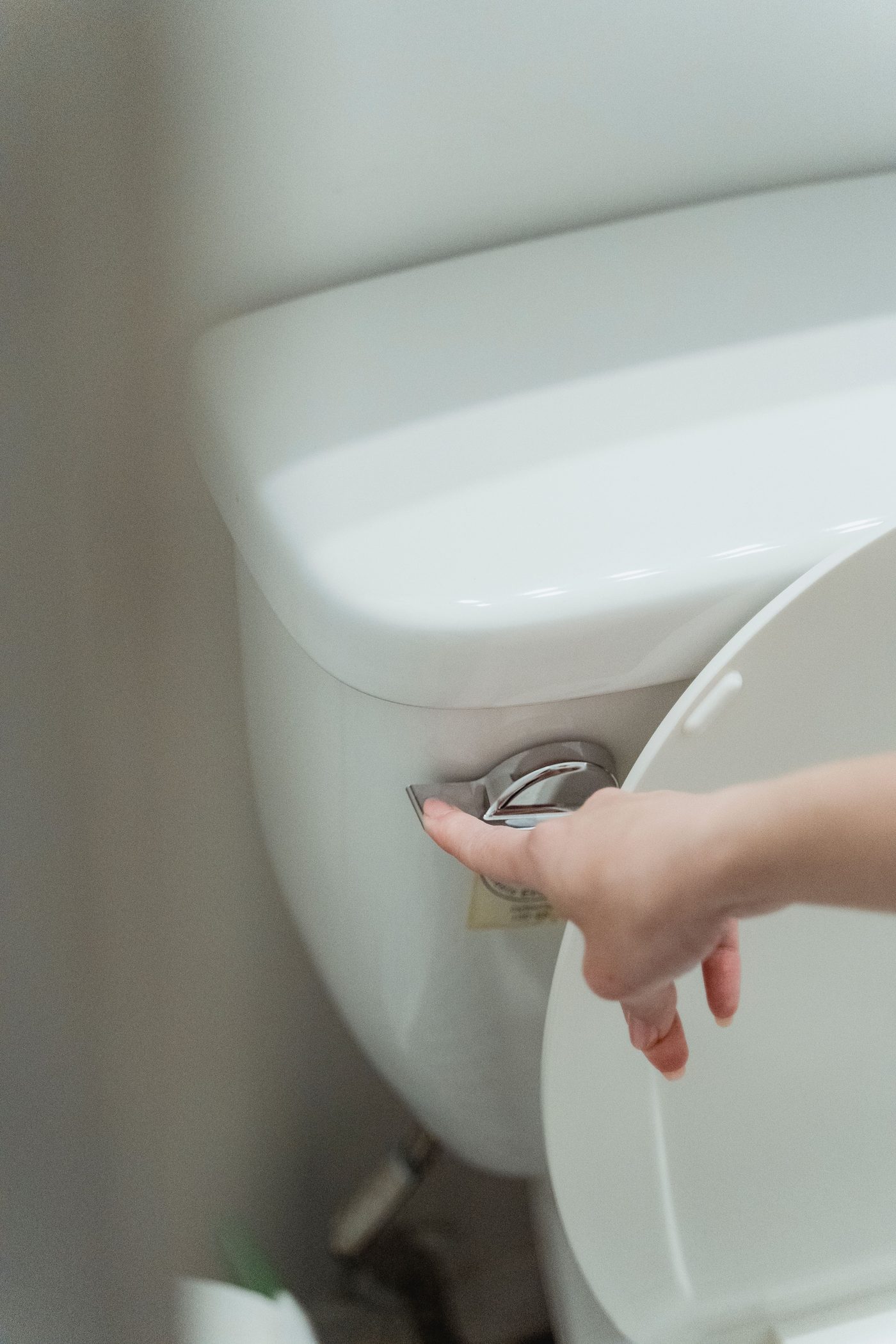
A toilet that keeps running is easy to ignore. It is usually quiet, often just a thin trickle down the back of the pan. But it runs day and night, and on a water meter you pay for all of it. The good news is that there are only two usual causes, and a quick look inside the cistern tells you which one you have.
The two minute test
- Take the lid off the cistern. Put it somewhere safe, as ceramic lids crack easily.
- Look at the water level.
- Find the overflow pipe. In most modern cisterns it is a tube in the middle of the flush valve. In older ones it is a pipe that goes out through the wall.
If the water is up at the top of the overflow, water is spilling into it. The fill valve is not shutting off.
If the water is below the overflow but you can still see or hear water trickling into the pan, the flush valve seal at the bottom of the cistern is leaking.
That is it. Now you know which part to fix.
Fixing the fill valve
The fill valve lets water into the cistern after a flush and shuts off when it is full. Types you might see:
- Old ball valves with a brass arm and plastic or copper float. Common in older Sheffield houses that have not had the toilet replaced.
- Modern fill valves, a tall plastic column with a float that slides up and down.
Fixes:
- Adjust the float. On many valves you can lower the float so it shuts off sooner. On a ball valve, the arm may have an adjusting screw.
- Clean the valve. Grit from the mains can stop it sealing. Turn off the water, unscrew the top and rinse the seal.
- Replace the washer or diaphragm. Many valves have a small rubber part that wears.
- Replace the valve. A new fill valve is cheap and often quieter. It also helps if the cistern bangs when it fills, which our post on water hammer explains.
In the harder water areas of Handsworth and Rotherham, scale can build up in fill valves. In the soft water of west Sheffield, grit and wear are more common causes.
Fixing the flush valve
The flush valve is the part that lets water out of the cistern when you flush. In modern push button toilets, it is a drop valve that lifts up when you press the button, then drops back onto a rubber seal. When the seal wears or gets dirty, water seeps past.
Fixes:
- Clean the seal. Turn off the water, flush to empty the cistern, then lift the flush valve out. Most twist and lift. Clean the seal and the seat it sits on.
- Replace the seal. Seals are cheap and come in standard sizes for most brands.
- Replace the whole valve. If the valve is cracked or the button mechanism is worn, a new one is often the better fix.
Older cisterns with a lever and a siphon do not usually leak this way. If they keep running, it is nearly always the fill valve.
Old cisterns in Victorian houses
Walkley, Crookes and other older parts of Sheffield still have some original high level or old low level cisterns, often in a cellar toilet or an outside WC. Parts for these can be hard to find. Sometimes the old siphon or ball valve can be rebuilt. Sometimes a modern fill and flush valve kit can be adapted to fit. Sometimes a new cistern is the better answer. Our Walkley area page covers other plumbing quirks of those terraces.
Concealed cisterns
If your toilet has a hidden cistern behind a panel, access is through the flush plate. Most can be removed by pressing or pulling the plate, which reveals the valves. If you cannot get to it, a plumber can.
Other signs to watch for
| What you see | What it means |
|---|---|
| Cistern takes ages to refill | Fill valve partly blocked or low pressure |
| Weak flush | Low water level, worn flush valve or blocked rim |
| Water on the floor at the base | Leak from the cistern to pan seal or pan connector |
| Toilet rocks | Pan fixings loose, may break the seal |
| Bubbling in the pan when other drains run | Possible drain blockage, see our post on a blocked toilet |
How to stop it while you wait
Find the isolating valve on the pipe going into the cistern. It has a slot. Turn it a quarter turn with a flat screwdriver so the slot is across the pipe. That stops water going in. You can still flush by filling the cistern from a bucket.
If there is no isolating valve, you will need to turn off the stop tap, which stops water to the whole house. In that case, fitting an isolating valve is a good idea at the same time as the repair.
When to call a plumber
Call a plumber if:
- You cannot find or turn the isolating valve.
- Parts are seized or cracked.
- The cistern is old and you cannot find matching parts.
- Water is leaking onto the floor.
Our tap and toilet repairs page explains what a visit involves. Send us a photo inside the cistern, and we will usually be able to tell you which part it needs.
Quick questions
How do I stop my toilet running for now?
Turn the isolating valve on the pipe into the cistern a quarter turn with a flat screwdriver. You can still flush by filling the cistern from a bucket.
Is a running toilet expensive?
On a water meter it can be, because it runs day and night. Fix it soon.
My toilet has a push button. Can it still be fixed?
Yes. Push button toilets use a drop valve with a seal at the bottom. The seal or the whole valve can be replaced.
Why does water run down the outside overflow pipe?
In older cisterns with an external overflow, water running outside means the fill valve is not shutting off.
Last updated 23 October 2026. Written for homes in Sheffield. Rules can change, so check the linked sources for the latest position.