Short answer: Boiler noises usually point to one of four causes. Kettling, a rumbling like a kettle boiling, means scale or sludge on the heat exchanger. Banging often means overheating or poor circulation. Gurgling means air in the system. Whistling can mean a restricted flow or low pressure. In hard water areas like Rotherham, kettling from limescale is the most common.
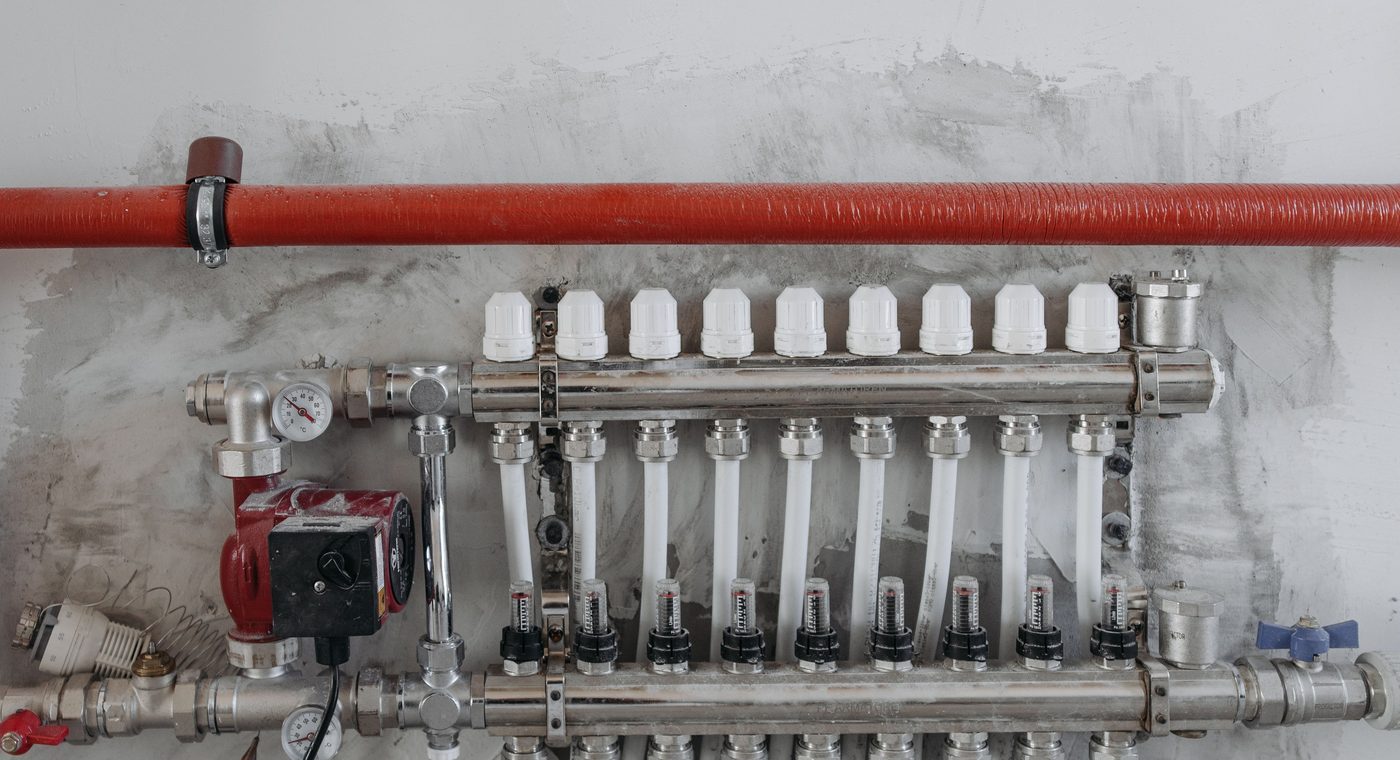
A healthy boiler hums quietly. When it starts rumbling, banging, gurgling or whistling, it is telling you something. The noise itself is a good clue to the cause, and in the Sheffield and Rotherham area, where you live changes which cause is most likely.
Kettling: rumbling like a kettle
Kettling is the most common boiler noise. It sounds like a kettle coming to the boil, a deep rumble or crackle from inside the boiler.
What causes it: something is stopping heat passing evenly from the burner into the water. Water in contact with a hot spot boils into small steam bubbles, which collapse noisily. The two usual culprits are limescale and sludge.
Limescale builds up where water is heated. In a combi boiler, the tap water side runs through a small plate heat exchanger. In hard water, that heat exchanger scales up. Kettling that happens mainly when you run a hot tap is a strong sign of this.
Sludge is black iron oxide from inside steel radiators. It collects in the main heat exchanger. Kettling that happens when the heating is on points more to sludge.
Why Rotherham hears more kettling
Water in Rotherham is much harder than in most of Sheffield. Yorkshire Water’s 2025 water quality report puts the Rotherham and Tinsley supply zone at 89.9 mg/l calcium, which it classes as hard. Handsworth and Woodhouse, in the Aughton and Woodhouse zone, are at 77 mg/l. Compare that with 9.3 to 9.5 mg/l in west Sheffield’s Ringinglow and Fulwood zones.
Yorkshire Water says it does not soften water at its treatment works. So in Rotherham, a combi boiler without any scale protection can start kettling within a few years. Our Rotherham area page explains more about hard water there, and our post on Sheffield water hardness has the full table.
What helps: an engineer can descale or replace the plate heat exchanger. Fitting a scale reducer on the cold feed slows it coming back. For sludge, a system clean and a magnetic filter.
Banging or knocking
What causes it: often the boiler is overheating because water is not moving through it fast enough. That can be from a failing pump, a closed valve, a blocked filter, heavy sludge or the pump speed set too low. Banging can also be pipes moving as they heat and cool, or water hammer when valves shut quickly.
What to check: make sure radiator valves are open and the system pressure is right. If the banging comes from the pipes rather than the boiler, our post on water hammer and noisy pipes may help.
What helps: an engineer checks the pump, the flow and the heat exchanger.
Gurgling or bubbling
What causes it: air in the system, or a frozen or blocked condensate pipe. After work on the heating, or if the pressure has dropped and been topped up, air gets in.
What to check: bleed radiators, starting with those upstairs, then top up the pressure. In freezing weather, check the condensate pipe outside.
What helps: if air keeps coming back, there may be a leak drawing air in, or a fault with the automatic air vent.
Whistling or high pitched noise
What causes it: a restriction in the flow, such as scale or sludge narrowing the heat exchanger, or low system pressure. It can also come from the fan or the gas valve.
What to check: check the pressure is right.
What helps: an engineer can find whether it is a flow, fan or gas valve issue.
Humming or vibrating
What causes it: a pump running too fast, loose fixings, or pipes touching joists or walls.
What helps: adjusting pump speed or securing pipes. A simple job in most cases.
Noise guide
| Noise | When | Most likely cause |
|---|---|---|
| Kettling | When hot water runs (combi) | Scale on plate heat exchanger |
| Kettling | When heating runs | Sludge on main heat exchanger |
| Banging | When heating starts | Overheating, poor circulation |
| Gurgling | Any time | Air in system or condensate problem |
| Whistling | When running | Restricted flow or low pressure |
| Humming | When pump runs | Pump speed or loose fixings |
What you should not do
- Do not take the casing off. Work inside a gas boiler must be done by a Gas Safe registered engineer.
- Do not ignore loud kettling. A boiler that is overheating in spots is working under strain and can fail.
- Do not keep resetting it if it locks out.
Repair or replace
If the noise is from scale in the plate heat exchanger, descaling or replacing it is usually worth it on a boiler in good condition. If the main heat exchanger is badly sludged or scaled on an older boiler, the repair can cost a large share of a new boiler. Our post on how long a boiler lasts helps you weigh that up, and our boiler repair page explains how a visit works.
Tell us what the noise sounds like, when it happens and your postcode, and we will tell you what we suspect.
Quick questions
Is a noisy boiler dangerous?
Usually not immediately, but it means the boiler is working under strain. If it is very loud, smells or shows a fault, turn it off and get it checked.
What is kettling?
A rumbling or boiling sound caused by water overheating in spots on a scaled or sludged heat exchanger.
Can a power flush fix a noisy boiler?
If the noise is caused by sludge in the system, a flush can help. If it is scale in the boiler itself, the heat exchanger may need descaling or replacing.
Why does my boiler make noise only on hot water?
On a combi, that often points to scale on the plate heat exchanger that heats tap water.
Last updated 23 October 2026. Written for homes in Sheffield. Rules can change, so check the linked sources for the latest position.