Short answer: A radiator cold at the top usually has air in it and needs bleeding. Cold at the bottom usually means sludge. Cold all over usually means a closed or stuck valve, or the system needs balancing. In tall Victorian houses, the top floor radiators are often the first to suffer from air, and the ground floor ones from sludge.
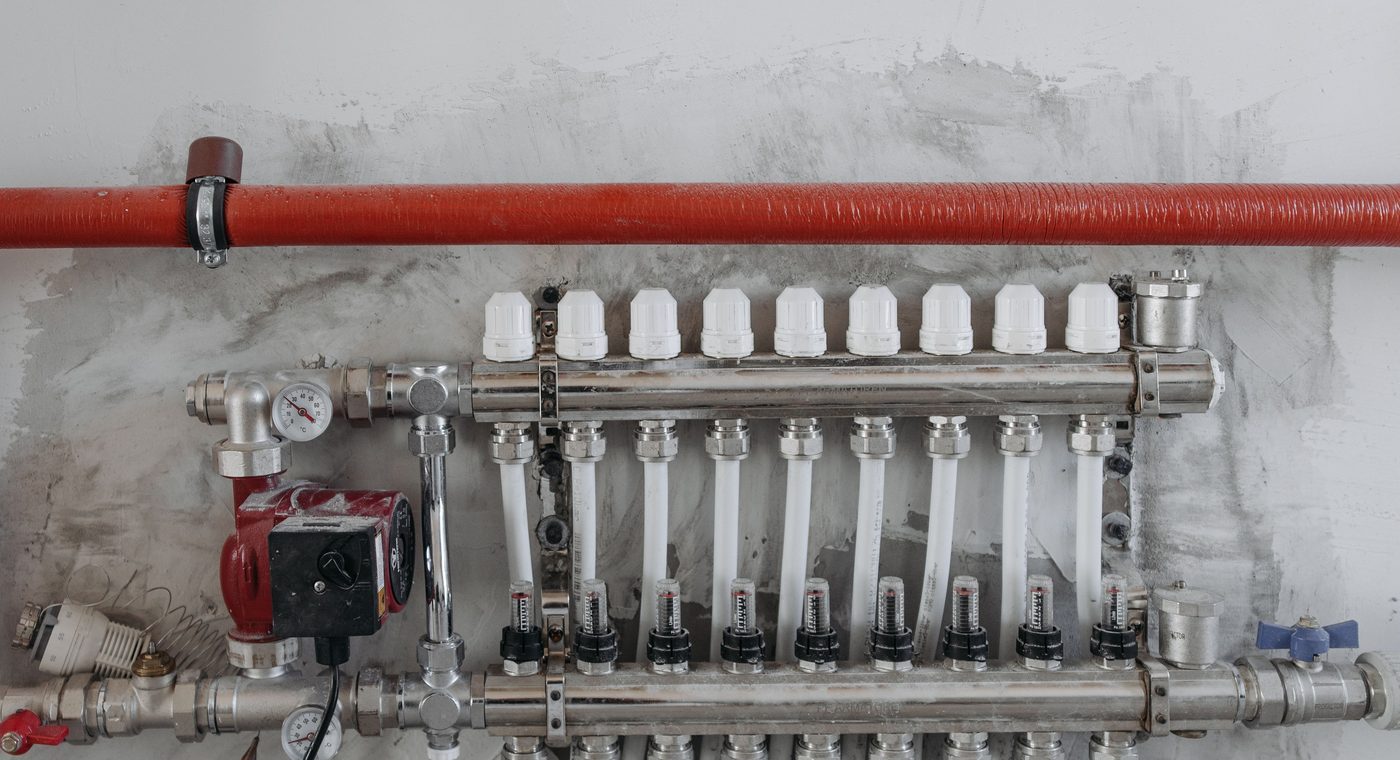
A cold radiator is one of the most common heating complaints, and one of the easiest to diagnose. Where the radiator is cold tells you most of what you need to know. Big old houses with long, extended heating systems, like the Victorian villas of Nether Edge, Broomhill and Ranmoor, show every one of these problems.
Cold at the top, warm at the bottom
Cause: air. Air rises to the top of the radiator and stops hot water filling it.
Fix: bleed the radiator.
- Turn the heating off and let the radiators cool.
- Find the bleed valve, a small square or slotted screw at one top corner.
- Hold a cloth under it and turn it a quarter turn anticlockwise with a radiator key or flat screwdriver.
- Air will hiss out. When water appears, close it.
- Check the boiler pressure. Bleeding lets water out of a sealed system, so you may need to top it up.
In tall houses: air collects at the highest points of the system, so second floor and attic radiators get air first. Bleed those first, then work down.
If you have to bleed the same radiator often, something is letting air in or making gas. A small leak, a faulty automatic air vent or corrosion inside the system are the usual causes.
Cold at the bottom, warm at the top
Cause: sludge. Black iron oxide from inside steel radiators settles at the bottom and blocks the flow.
Signs: water from the bleed valve is dark or black. Several radiators, often on the ground floor, are cold at the bottom.
Fix: a single radiator can sometimes be taken off and flushed out in the garden. If several radiators have it, the whole system needs cleaning. A magnetic filter and inhibitor afterwards stop it building up again.
In Victorian houses: old systems in Nether Edge villas can be decades old, with a mix of original cast iron radiators, later steel panels and pipe added for extensions. Sludge builds up where water moves slowest, which is often the ground floor and the ends of long pipe runs.
Cold all over
Causes:
- The thermostatic radiator valve (TRV) is turned down or stuck. TRV pins often stick after a summer off.
- The lockshield valve, the one with a plain cap on the other side, is closed.
- The system is not balanced, so nearby radiators take all the hot water.
- A blockage in the pipes to that radiator.
- On an older system, a pump that is not strong enough to reach that part of the house.
Fixes:
- Turn the TRV fully up. If nothing changes, take the head off and gently push the pin. If it is stuck down, wiggle it free.
- Check the lockshield is open.
- Balance the system.
Balancing radiators
On a long system, the radiators nearest the boiler get hot quickly and take most of the flow, while the furthest ones barely warm. Balancing fixes that by closing down the lockshield valves on the nearest radiators so water is shared fairly.
It is fiddly but straightforward:
- Open all TRVs and lockshields fully.
- Turn the heating on and note the order radiators heat up.
- Close down the lockshield on the first radiator to heat, then open it a quarter turn.
- Work through each radiator in order, opening each lockshield a little more than the last.
- Aim for each radiator to have roughly the same temperature drop between its inlet and outlet pipes.
In a three storey villa, this can make a big difference. Our Nether Edge area page explains more about heating in those houses.
Several radiators cold at once
If lots of radiators are cold:
- Check the boiler pressure. Low pressure means poor circulation. See our post on boiler losing pressure.
- Check the boiler is running and the programmer is calling for heat.
- If upstairs is warm and downstairs cold, suspect sludge.
- If downstairs is warm and upstairs cold, suspect air or a weak pump.
- On a system with a loft tank, check the small feed and expansion tank in the loft has water in it.
Cold radiators and new boilers
When a new boiler goes onto an old system, cold radiators sometimes appear because the new boiler’s pump is different, or loosened sludge moves around. A proper installation cleans the system first, fits a magnetic filter and balances the radiators. If that was not done, it is worth asking for.
When to call
Call an engineer if:
- Bleeding and checking valves does not help.
- Black water comes out when you bleed.
- Several radiators are cold at the bottom.
- The boiler is making noise as well. See our post on a boiler making noise.
- You keep having to bleed or top up.
Our boiler repair page explains how a visit works. Tell us which radiators are cold and where, and we will tell you what we think is going on.
Quick questions
How do I bleed a radiator?
Turn the heating off and let it cool. Hold a cloth under the bleed valve, turn it a quarter turn with a radiator key until air hisses out and water appears, then close it. Check the boiler pressure afterwards.
Why do I keep having to bleed the same radiator?
Air keeps getting in or gas is forming from corrosion. A leak, an air vent fault or sludge are common causes.
What is balancing radiators?
Adjusting the lockshield valves so each radiator gets its share of hot water, rather than the nearest ones taking it all.
Do I need a power flush?
If several radiators are cold at the bottom and the water from a bleed valve is black, a system clean may help. A good engineer will check first.
Last updated 23 October 2026. Written for homes in Sheffield. Rules can change, so check the linked sources for the latest position.