Short answer: Lag the pipes in the coldest, unheated spaces first: the loft, the cellar, garages and outbuildings, and any pipe on an outside wall. Use foam lagging of the right size, close every gap at joints and bends, insulate the loft tank top and sides, and fit an isolating valve so you can drain the outside tap before the first frost.
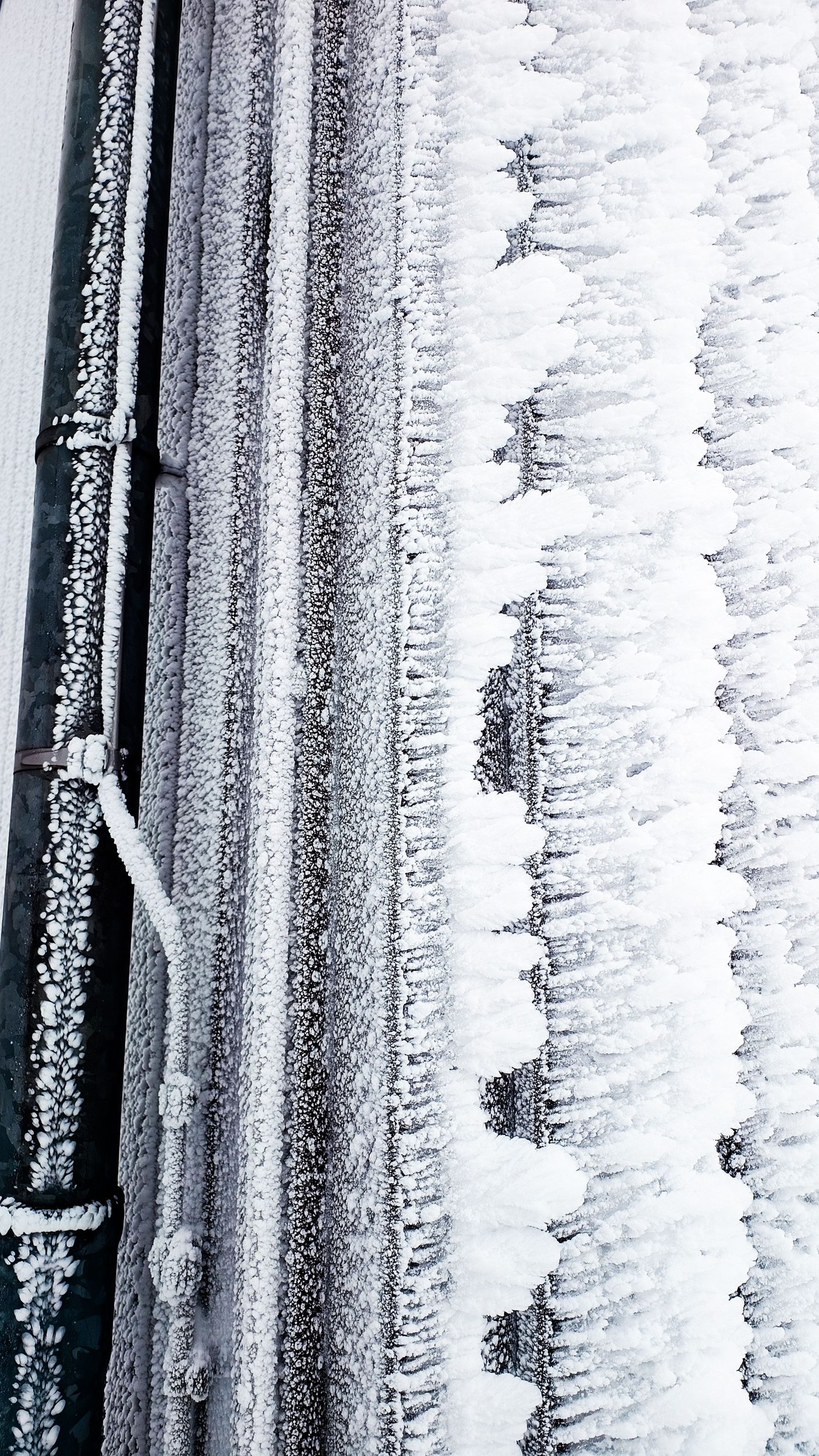
A burst pipe in January is often a pipe that should have been lagged in October. In Sheffield, and even more on the high ground around Penistone and Stocksbridge, the first hard frost tends to find every bare pipe in the coldest corner of the house. Lagging is cheap and quick, but only if you start in the right places.
Why it matters on high ground
Penistone sits high on the edge of the Pennines, near Langsett reservoir. The Geography of Sheffield notes that nearby Stocksbridge and Deepcar are often among the first places in the area to get snow. Stone cottages, farmhouses and barn conversions around Penistone often have pipes running through cold outbuildings, along thick outside walls and across yards. Our Penistone area page covers the other winter issues there.
Yorkshire Water’s winter advice is to check for pipes, taps, cisterns, tanks and meters in unheated areas that might be exposed to the cold, and to protect them.
Where to start
Work through the house in this order. The first places are where most freezes happen.
1. The loft
If you have a cold water tank in the loft, the pipes to and from it are the most at risk in the house. Good loft insulation keeps your rooms warm but makes the loft colder.
- Lag every pipe in the loft, including the overflow and the pipe from the tank to the hot water cylinder.
- Insulate the top and sides of the tank with a proper tank jacket or rigid insulation.
- Do not insulate the ceiling directly under the tank. A little heat from the room below helps keep the tank above freezing.
- Make sure the tank has a lid to keep insulation fibres and debris out.
2. The cellar
Many Sheffield terraces have a cellar, with the supply pipe coming in through the front wall and a grate or vent to the street. Cold air pours in.
- Lag the supply pipe from where it comes through the wall up to where it leaves the cellar.
- Lag the stop tap carefully, leaving the handle reachable.
- Block draughts around the pipe where it enters, with expanding foam or mortar.
- Do not block the cellar’s ventilation completely, as that causes damp. Just stop the draught blowing straight onto pipes.
3. Garages, utility rooms and outbuildings
Washing machine supplies in garages, pipes to outside toilets and feeds to barns or annexes all freeze easily.
- Lag every exposed pipe.
- If a building is not used in winter, fit an isolating valve and drain the pipe.
4. Pipes on outside walls
Pipes running along the inside of a cold outside wall, under a sink or behind a kitchen unit, can freeze in a hard frost.
- Lag them where you can reach them.
- If you are having a kitchen or bathroom refitted, ask for pipes to be moved to an inside wall.
5. The outside tap
- Fit an isolating valve on the pipe inside the house.
- Before winter, turn it off, open the outside tap and let it drain.
- Leave the outside tap open over winter so any water left can expand.
- A foam tap cover adds extra protection.
Our post on outside tap installation explains what a good outside tap setup includes.
How to fit lagging properly
Foam lagging comes in tubes with a slit down the side. To fit it well:
- Get the right size. Most house pipes are 15mm or 22mm. The size is often printed on copper pipe. Buy lagging to match.
- Choose a thick wall. Thicker lagging protects better in unheated spaces.
- Clean and dry the pipe before you start.
- Push the lagging over the pipe with the slit facing down or to the side.
- Mitre the bends. Cut the lagging at an angle at elbows and tees so it meets with no gap.
- Tape the joins with proper lagging tape, including the slit along its length.
- Do not leave gaps at valves, joints or where pipes go through walls. Gaps are where freezes start.
Lagging is not the whole answer
Lagging slows heat loss. It does not create heat. In a long freeze, a lagged pipe in a completely unheated space can still freeze. So:
- Keep the heating on low in a cold spell, even if you are away.
- If you have a frost setting on the boiler or thermostat, use it.
- Open the loft hatch for a while in a very hard freeze to let a little warm air in.
- Know where your stop tap is, and check it turns. Our stop tap guide helps.
Condensing boilers have their own weak spot outside: the condensate pipe. Our post on frozen condensate pipes covers that.
When to get help
You can lag most pipes yourself. Get a plumber in if:
- Pipes are hard to reach, under floors or behind fitted units.
- The stop tap is seized and will not turn.
- You need an isolating valve fitted for an outside tap.
- A pipe keeps freezing every year despite lagging, which usually means it needs moving.
- You have already had a burst, and want the system checked. Our burst pipe repair page explains what that involves.
If you want a winter check on the weak spots in your home, tell us your postcode and what kind of house you have.
Quick questions
What size lagging do I need?
Match the inside diameter of the lagging to the pipe. Most house pipes are 15mm or 22mm. Measure, or read the size printed on the pipe.
Should I insulate under the loft tank?
No. Leave the ceiling under the tank uninsulated so a little warmth rises from the room below. Insulate the top and sides.
Does lagging stop pipes freezing completely?
It slows freezing. In a long hard freeze, an unheated pipe can still freeze, so keep some heat in the house too.
Do I need to lag hot water pipes?
It saves heat, and in unheated spaces it also stops them freezing when the heating is off.
Last updated 23 October 2026. Written for homes in Sheffield. Rules can change, so check the linked sources for the latest position.