Short answer: If no water comes from a tap on a freezing morning, a pipe has probably frozen. Turn off the stop tap, open the affected tap, then warm the pipe gently with a hot water bottle or a hairdryer on low, working back from the tap. Never use a naked flame. Check for splits before turning on.
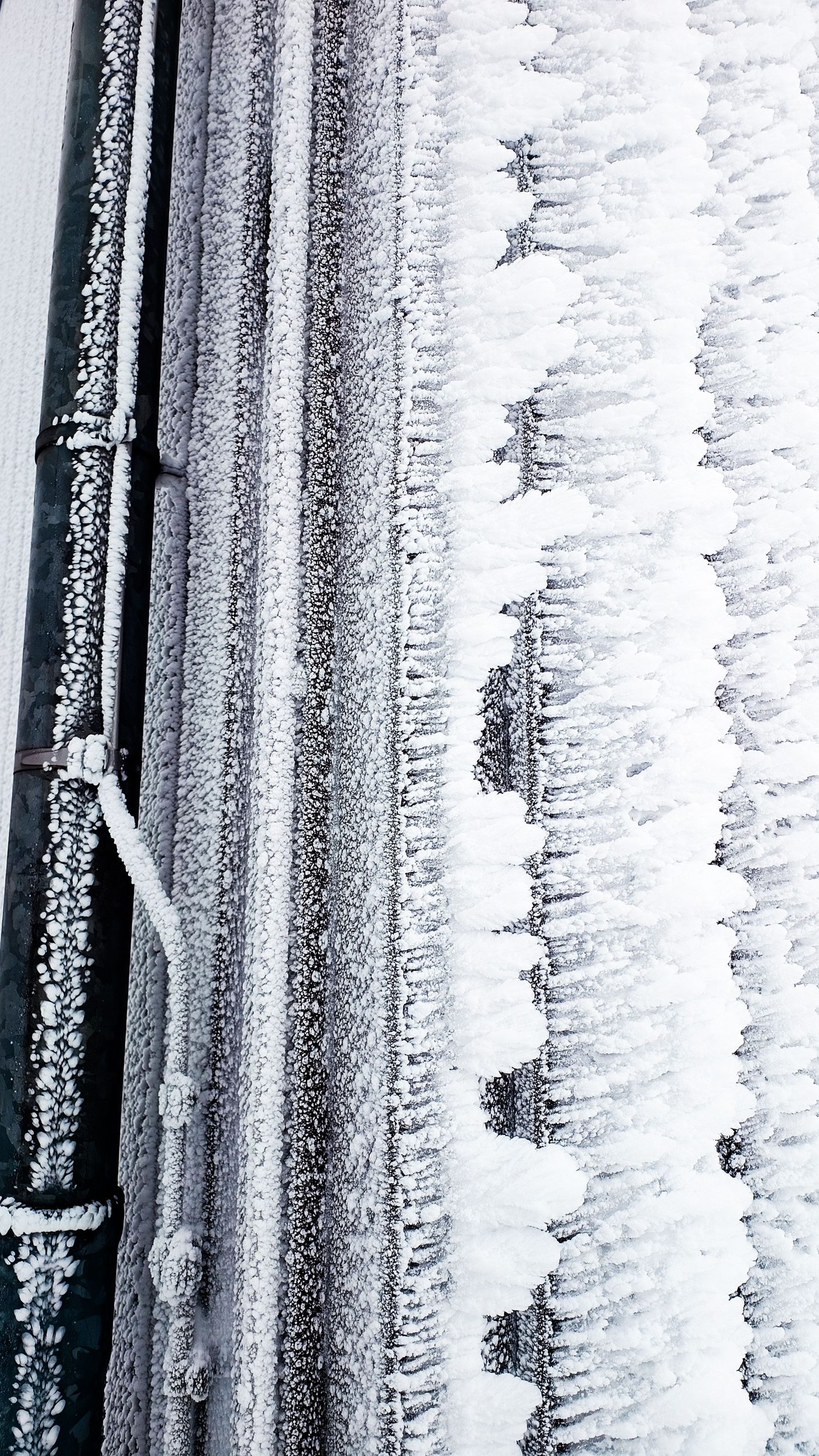
Every cold snap brings the same call: “I’ve got no water and it’s minus five outside.” In Sheffield, that call comes first from the high ground on the north west of the city, from Stocksbridge, Deepcar, Bradfield and Lodge Moor, and then spreads as the cold settles in. Thawing a frozen pipe is usually straightforward if you do it in the right order.
Why Sheffield pipes freeze
Sheffield is a hilly city. It ranges from 29 metres above sea level at Blackburn Meadows on the Rotherham border to 548 metres at High Stones on the Derbyshire border, according to the Geography of Sheffield. The same source notes that Deepcar and Stocksbridge “tend to be among the first to receive snowfall”.
The Weston Park weather station, one of the oldest in the country, has recorded a daytime maximum of minus 4.4°C as recently as 20 December 2010. Higher up, it gets colder still. Our Stocksbridge area page explains why homes on those steep valley sides are especially exposed.
The pipes that freeze first are:
- Pipes in lofts, especially above a well insulated ceiling, where the loft itself gets very cold.
- Pipes in cellars with an open grate or vent to the street, common in Victorian terraces.
- Outside taps and the pipe running through the wall to them.
- Pipes on north facing outside walls.
- Pipes in garages, utility rooms and outbuildings.
- The boiler’s plastic condensate pipe, which we cover in our post on frozen condensate pipes.
Step 1: find the frozen section
Turn on each tap in the house, hot and cold. Flush the toilets. Note which work and which do not.
- Nothing works anywhere: the freeze is probably on the supply pipe near where it enters the house, often in the cellar or under the kitchen floor. If neighbours have no water either, it may be the main, so contact Yorkshire Water.
- Only upstairs taps fail: the freeze is likely in the loft, on pipes from the cold tank.
- Only one tap fails: the freeze is between that tap and the nearest working one.
Feel along the pipe. A frozen section is often colder than the rest, and may have frost on the outside.
Step 2: turn off the stop tap
Before you thaw anything, turn off the water at the stop tap. In most Sheffield terraces it is in the cellar, low on the front wall. In newer homes it is usually under the kitchen sink.
This matters because ice often splits a pipe, but the split does not leak while the water inside is frozen. If you thaw it with the mains on, water pours out of the split the moment the ice melts.
Step 3: open the tap
Open the tap the frozen pipe feeds. That gives melting water somewhere to go and lets you hear when water starts to flow.
Step 4: warm the pipe slowly
Start nearest the tap and work back towards the frozen section. Use gentle heat:
- A hot water bottle wrapped round the pipe.
- Towels soaked in warm water, wrung out and wrapped round.
- A hairdryer on a low setting, kept moving and away from water.
- A small heater in the room, not pointed directly at plastic pipes.
Never use a blowtorch, heat gun or any naked flame. It can damage the pipe, melt plastic fittings and start a fire, especially in a loft full of dry timber.
Step 5: check for splits
Once water flows from the tap, turn it off and look along the pipe for any split, bulge or damp spot. Then turn the stop tap on slowly, part way, and watch. If water appears from anywhere, turn it off again and call a plumber.
If you find a split, our burst pipe repair page explains what happens next.
What not to do
- Do not leave the stop tap on while thawing.
- Do not use boiling water directly on plastic pipes or fittings.
- Do not run the boiler if the condensate pipe is frozen or the heating pipes may be frozen. Let it lock out and thaw the condensate pipe first.
- Do not ignore a frozen pipe and hope. If it has split, you want to know before the thaw.
Preventing frozen pipes
Most frozen pipes are preventable. Yorkshire Water’s winter advice is to check pipes, taps, cisterns, tanks and water meters in unheated areas and protect them.
| Weak spot | What to do |
|---|---|
| Loft pipes and tanks | Lag pipes and insulate the tank top and sides, but not underneath, so a little heat rises from the room below |
| Cellar pipes | Lag them and block draughts from grates and gaps around the supply pipe |
| Outside tap | Fit an isolating valve inside, turn it off and drain the tap before winter |
| Pipes on outside walls | Lag them, or move them to an inside wall if you are having work done |
| Empty house in a cold spell | Leave the heating on low rather than off |
Our post on lagging pipes before winter goes through it in more detail.
When to call a plumber
Call a plumber if:
- You cannot find or reach the frozen section.
- The pipe has split.
- The whole house has no water and neighbours do have water.
- The stop tap will not turn off.
- You keep getting the same pipe freezing every winter.
If your water is off this morning and you are not sure where the problem is, tell us your postcode and which taps are working. We will tell you where to look first.
Quick questions
How do I know which pipe is frozen?
Check which taps work. The frozen section is between the last working point and the first tap that does not work, usually in a cold spot like a loft, cellar or outside wall.
Can I use a heat gun or blowtorch?
No. A naked flame or very high heat can damage the pipe, melt plastic fittings and start a fire.
Should I turn off the stop tap?
Yes. If the pipe has split, turning the stop tap off first stops a flood when the ice melts.
My whole house has no water. Is it frozen?
It might be the supply pipe where it enters the house, or the main. Ask neighbours. If the whole street is off, contact Yorkshire Water.
Last updated 23 October 2026. Written for homes in Sheffield. Rules can change, so check the linked sources for the latest position.