Short answer: If your condensing boiler stops on a freezing night and shows a fault code, the plastic condensate pipe outside has probably frozen. Find where it leaves the wall, pour warm water, not boiling, slowly along it until it runs clear, then reset the boiler using the manual. If it keeps happening, the pipe needs insulating, upsizing or rerouting.
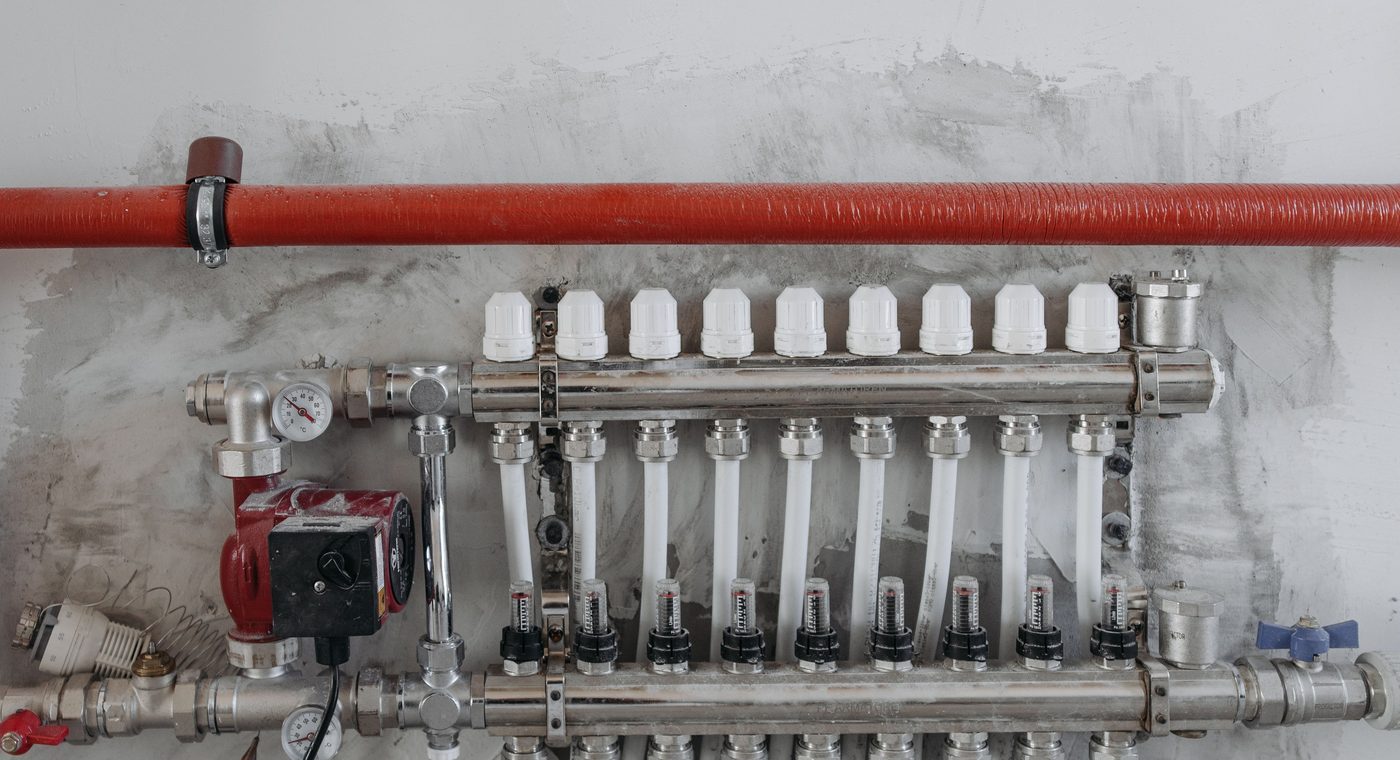
Modern gas boilers are condensing boilers. They squeeze extra heat out of the flue gases, and that produces water, called condensate. It is slightly acidic and drains away through a plastic pipe, usually white or grey, that runs from the boiler to a drain. If part of that pipe is outside, it can freeze in a cold snap. When it does, the water backs up, the boiler senses it and shuts down.
In Sheffield this is one of the most common winter boiler faults, and it is often the first one we would expect on the higher western side of the city.
Why it happens more in some parts of Sheffield
Sheffield runs from 29 metres above sea level on the Rotherham border to 548 metres at High Stones, and much of the west is high and exposed, as the Geography of Sheffield describes. Homes in Fulwood, Lodge Moor, Dore and Totley, and further out in Stocksbridge and Penistone, see more frosts than homes in the city centre.
Fulwood is a good example. Many homes are detached or semi detached, with boilers in kitchens, utility rooms or garages on outside walls. The condensate pipe often runs out through the wall and down to a gully, with a long exposed run. Our Fulwood area page covers the other common jobs in those bigger homes.
Pipes freeze faster when:
- They run a long way outside.
- They are thin. Many older installs used narrow pipe.
- They run flat, so water sits in them.
- They end in a gully where the outlet itself freezes.
- They face north or into the wind.
Signs your condensate pipe has frozen
- The boiler stops working on a cold night or morning.
- The display shows a fault code or flashing light. Check your manual for which one.
- You may hear gurgling or bubbling from the boiler or pipe.
- The outside end of the plastic pipe has ice on or in it.
How to thaw it
- Find the pipe. Follow the plastic pipe from the bottom of the boiler to where it goes through the wall. Outside, trace it down to the drain. The frozen part is usually the lowest, most exposed section or the very end.
- Warm some water. Boil a kettle and let it cool for a while so it is warm, not boiling. Fill a jug or watering can.
- Pour it slowly along the pipe, starting at the end and working back towards the wall. Take care on frosty ground and do not stand where water will freeze under you.
- Repeat until you hear or see water running through.
- Reset the boiler following the instructions in your manual. Most have a reset button or a sequence on the display.
You can also hold a hot water bottle or warm towel on the pipe if you cannot pour water safely.
What not to do
- Do not use boiling water. It can crack plastic pipe and joints.
- Do not use a heat gun or blowtorch.
- Do not take the boiler casing off or try to disconnect the pipe inside. Any work inside a gas boiler must be done by a Gas Safe registered engineer.
- Do not keep pressing reset if the boiler locks out again straight away. Stop and get it checked.
Stopping it happening again
Thawing the pipe gets the heat back on today. To stop it happening every frost, the pipe itself needs looking at. Common fixes are:
| Fix | What it does |
|---|---|
| Insulating the outside section | Weatherproof lagging slows freezing |
| Upsizing the outside pipe | A wider pipe is harder to block with ice. Industry guidance for external runs recommends a larger diameter than the pipe used inside |
| Shortening the outside run | Less pipe outside means less to freeze |
| Rerouting inside | Running the pipe to an internal waste, such as under the kitchen sink, avoids the cold altogether |
| Fitting a trace heater | A low power heating cable keeps the pipe above freezing, useful where rerouting is hard |
The right choice depends on where your boiler is and where the nearest internal drain is. An engineer can usually tell at a glance.
If it is not the condensate pipe
If the pipe is clear and the boiler still will not run, other cold weather causes include a frozen heating pipe in a loft or garage, or low system pressure. Our post on a boiler not firing up goes through the other checks, and our boiler repair page explains how a repair visit works.
If your boiler has stopped and you are not sure why, send us the make, the fault code and a photo of the pipe outside. We can usually tell you whether it is something you can fix this morning.
Quick questions
How do I know it is the condensate pipe?
The boiler stops in freezing weather, may make a gurgling noise and shows a fault code. The plastic pipe outside may be visibly iced at the end.
Can I use boiling water?
No. Boiling water can crack plastic pipe and joints. Use warm water, like from a kettle left to cool for a while.
Is it safe to reset the boiler myself?
Using the reset button as the manual describes is fine. Taking the casing off is not. That is Gas Safe registered engineer work.
How do I stop it freezing again?
Insulate the outside pipe, make it the right size, shorten its outside run, or reroute it to an inside drain. An engineer can advise.
Last updated 23 October 2026. Written for homes in Sheffield. Rules can change, so check the linked sources for the latest position.