Short answer: An unvented cylinder service checks the parts that keep a pressurised hot water tank safe: the relief valves, the expansion vessel charge, the pressure reducing valve and strainer, and the discharge pipe and tundish. Manufacturers usually ask for one every year. It should be done by someone qualified in unvented systems.
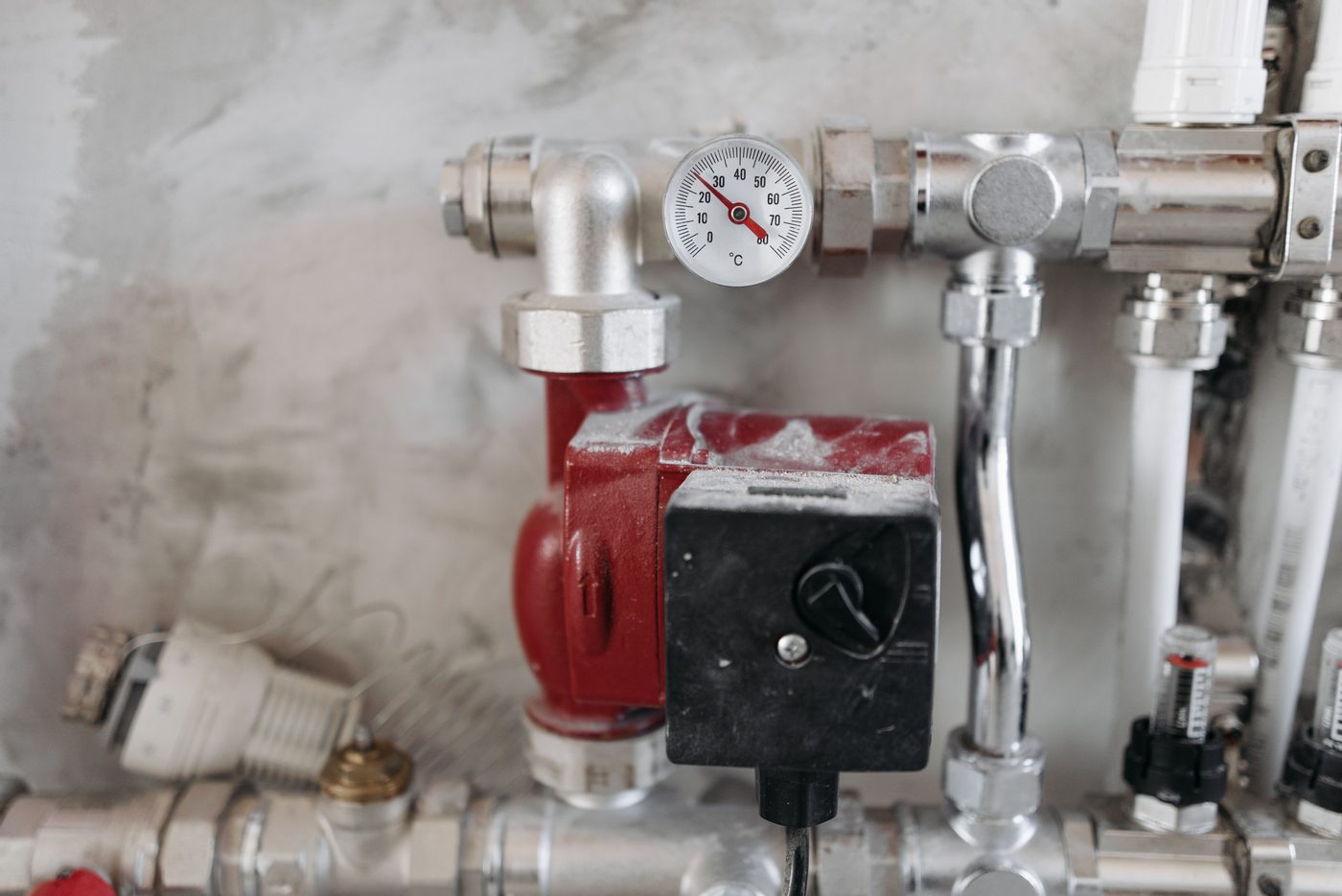
An unvented hot water cylinder stores hot water at mains pressure. That is what gives strong showers in every bathroom without a tank in the loft. It also means the cylinder holds a lot of energy, and it relies on several safety devices working properly. A yearly service checks that they do.
Why unvented cylinders have rules
In England, unvented hot water systems are covered by Part G of the Building Regulations, in the section known as G3. Installing one is notifiable work: it must be done by someone competent to fit unvented systems, and either notified to building control or self certified through a competent person scheme. Our post on Sheffield building control explains how that works.
The reason is safety. If a cylinder overheated with no working safety valves, the stored water could become dangerous. The safety devices exist to stop that ever happening, and the service makes sure they still work.
What a service checks
| Part | What it does | What is checked |
|---|---|---|
| Temperature and pressure relief valve | Opens if the water gets too hot or the pressure too high | Manually operated to check it opens and reseats cleanly |
| Expansion relief valve | Opens if the cold side pressure gets too high | Manually operated and checked for weeping |
| Expansion vessel | Absorbs the extra volume as water heats | Air charge checked and topped up to the right pressure |
| Pressure reducing valve | Keeps incoming mains pressure at the right level | Pressure checked on the outlet |
| Strainer | Catches debris before it reaches the valves | Removed and cleaned |
| Thermostats and cut outs | Control the water temperature and stop overheating | Checked for correct operation |
| Tundish and discharge pipe | Shows and safely carries away any water from the valves | Checked for water, blockage and safe termination |
| Immersion heater | Backup heating | Checked for operation and signs of scale |
The engineer should also look for leaks, corrosion and anything that has changed since the cylinder was fitted, such as a discharge pipe that has been covered up or rerouted.
The tundish is a warning light
The tundish is a small funnel with an air gap, usually on a copper pipe below the cylinder. It lets you see if a safety valve is letting water out. Normally it is dry.
If you see water dripping or running into the tundish, a valve has opened. That can mean the expansion vessel has lost its charge, the pressure reducing valve has failed, a valve is worn or the water is overheating. Turn off the boiler and immersion heater and get it checked. Do not block the tundish or the discharge pipe.
Why it matters more in Rotherham and east Sheffield
Water hardness varies a lot across the area. Yorkshire Water’s 2025 water quality report puts the Rotherham and Tinsley supply zone at 89.9 mg/l calcium, which it classes as hard, and the Aughton and Woodhouse zone covering Handsworth at 77 mg/l. On the west side of Sheffield, the Fulwood and Ringinglow zones are around 9.3 to 9.5 mg/l.
In hard water, scale builds up on valve seats, strainers and immersion elements. A relief valve that has not been operated for years may stick with scale, which is exactly what a service is meant to catch. An immersion element in a Rotherham cylinder will often show heavy scale when it is inspected. Our Rotherham area page explains more about the hard water there, and our post on Sheffield water hardness has the full figures.
In soft water areas, the risks are different. Scale is rare, but the expansion vessel still loses charge over time and the strainer still catches debris from the mains.
Warranty
Most cylinder manufacturers give a long warranty on the stainless steel or copper vessel, but only if it is serviced as they ask, often every year. Keep the service record with the cylinder paperwork. If the cylinder fails and there is no service history, the claim may be refused.
Signs you need a service before the year is up
- Water in the tundish.
- Hot water much hotter or cooler than usual.
- Banging or hissing from the cylinder when it heats.
- Water pressure at the taps changing a lot.
- Damp around the cylinder or valves.
What the service does not cover
A cylinder service is about the cylinder and its safety devices. It is separate from a boiler service. If the cylinder is heated by a gas boiler, the boiler should have its own annual service by a Gas Safe registered engineer.
Booking a service
Our hot water cylinders page explains repairs, servicing and replacements. If you are not sure whether your cylinder is unvented, look for a tundish, a small expansion vessel near the cylinder and no cold water tank in the loft. If you have all three, it is almost certainly unvented.
Tell us the make and age of your cylinder and your postcode, and we will tell you what the service involves for your system.
Quick questions
How often should an unvented cylinder be serviced?
Most manufacturers ask for a service every year to keep the warranty valid. Check your cylinder's paperwork.
Can any plumber service an unvented cylinder?
It should be someone competent and qualified to work on unvented hot water systems. Ask what qualification they hold.
What does water from the tundish mean?
A safety valve has opened. Turn off the boiler and immersion heater and get the cylinder checked.
Does hard water affect an unvented cylinder?
Yes. Scale can make valves stick and coat immersion elements. In harder areas like Rotherham, the yearly service matters more.
Last updated 23 October 2026. Written for homes in Sheffield. Rules can change, so check the linked sources for the latest position.