Short answer: A weak shower usually comes down to your hot water system, your mains flow or a blockage. On a gravity system, pressure depends on the height of the loft tank, and a shower pump often helps. On a combi or unvented cylinder, it depends on mains flow. A scaled head or part closed valve can also be the cause.
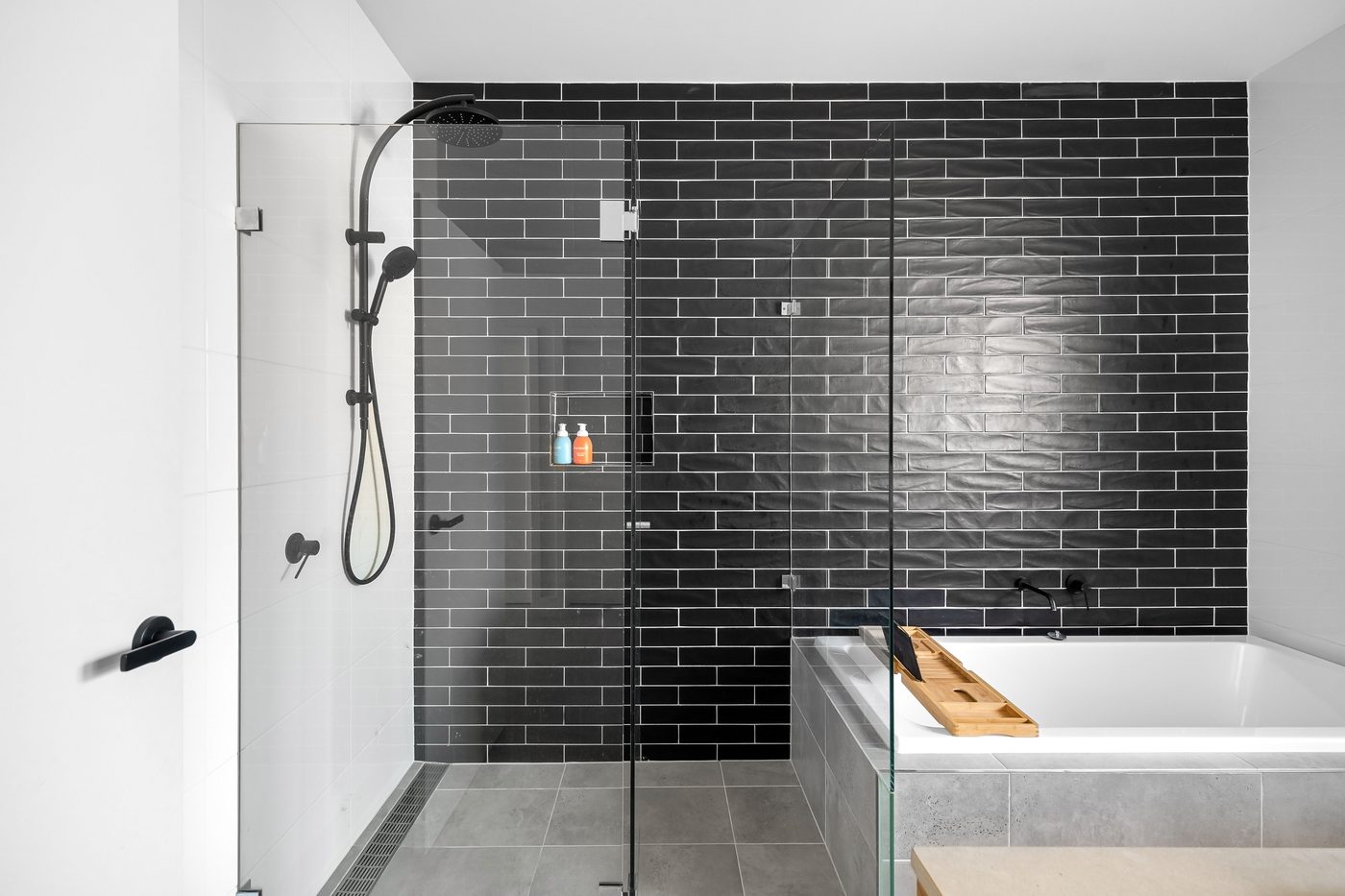
Few things are as disappointing as a weak shower. In Sheffield, where homes range from big detached houses in Fulwood to tightly packed terraces on steep streets, the cause varies from house to house. The fix depends on your hot water system, so start there.
Step 1: what system do you have?
- Gravity fed: a cold water tank in the loft and a hot water cylinder in an airing cupboard. Common in older homes and in many larger interwar and post war houses.
- Combi boiler: no tank or cylinder. Hot water is heated as you use it, from the mains.
- Unvented cylinder: a cylinder fed straight from the mains, no loft tank. Gives mains pressure hot water.
- Electric shower: heats cold mains water in the unit on the wall. Our post on electric shower installation covers those.
Gravity fed systems
On a gravity system, the water pressure at the shower comes only from the height of the cold tank above the shower head. Each metre gives about 0.1 bar. If the tank is just above the bathroom ceiling, the pressure can be very low. Loft conversions, where the bathroom ends up level with or above the tank, make this worse.
Fixes:
- A shower pump. Pumps are designed for gravity systems and can make a big difference. They need to be sized for the system and fitted with the right connections so they do not draw air.
- Raising the tank, if there is room in the loft.
- Switching to an unvented cylinder, if your mains flow is good enough. This removes the tank and gives mains pressure hot water.
Mains fed systems: combi or unvented
On a combi or unvented system, the shower can only be as good as the water coming in from the main. Yorkshire Water’s water pressure guide explains that homes closer to the height of the storage reservoir get lower pressure, and that it must maintain a minimum of seven metres of static head.
Sheffield’s hills make this vary a lot. Fulwood sits high on the western edge of the city, close to the Peak District, and some homes there and in Lodge Moor, Crookes and parts of Stannington can have less pressure than you would expect. Our Fulwood area page covers other jobs in those homes.
Fixes:
- Check the stop tap is fully open. A part closed stop tap is surprisingly common.
- Check for old lead or narrow supply pipe. Pre 1970 homes may still have a lead supply, which can choke the flow. Our post on lead pipe replacement explains the Yorkshire Water scheme.
- A larger supply pipe from the boundary, if the old one is small.
- An accumulator or break tank with a pump, designed by a plumber, where mains pressure itself is low.
What not to do: the Water Supply (Water Fittings) Regulations 1999 do not allow a pump that draws more than 12 litres a minute directly from the supply pipe without the water company’s consent. Do not buy a mains booster pump and fit it straight onto the incoming pipe.
Combis in busy houses
A combi can only heat so much water at once. If two people try to shower, or someone runs a tap while the shower is on, the flow drops and the temperature swings. In a student house with five people, or a family home with an en suite, that can feel like low pressure even when the mains is fine. A system boiler with an unvented cylinder may suit better. Our post on combi or system boilers explains the choice.
Blockages and valves
Before spending money, check the simple things:
- The shower head. Unscrew it and soak it in descaler or vinegar. In Handsworth and Rotherham, where Yorkshire Water reports moderately hard to hard water, heads scale up quickly. In soft west Sheffield, it is more often grit.
- The hose. A kinked or collapsed hose restricts flow.
- The shower valve filters. Thermostatic valves often have small filters on the inlets that catch grit and scale.
- Isolating valves. There may be small valves on the pipes to the shower that are part closed.
Quick diagnosis
| What you notice | Likely cause | Likely fix |
|---|---|---|
| Weak on every tap, gravity system | Low tank height | Shower pump or unvented upgrade |
| Weak on every tap, combi or unvented | Low mains flow | Check stop tap, supply pipe, accumulator |
| Only the shower is weak | Head, hose, valve or filter | Clean or replace |
| Weak when someone else uses water | Shared supply | Better flow, thermostatic valve, system change |
| Top floor shower weak, lower ones fine | Height difference | Pump on gravity, or system change |
When to call
A plumber can measure your flow and pressure, look at your system and tell you which fix will actually work. That saves buying a pump that is not allowed or a shower that your supply cannot feed. Our bathroom installation page explains how we plan showers around the pressure you have.
Tell us your system type, which showers are weak and your postcode, and we will tell you what we would check first.
Quick questions
Can I fit a shower pump?
On a gravity fed system with a cold tank and cylinder, usually yes. You should not pump directly from the mains without the water company's consent.
Why is my shower weak upstairs but fine downstairs?
On a gravity system, the upstairs shower has less height below the tank. On a mains system, the height of the house above the main matters.
Will a new shower head help?
If the old one is blocked, yes. A low flow head can also feel stronger on a weak supply, but it will not fix low flow itself.
Why does my shower go cold when someone uses a tap?
The supply is being shared. A thermostatic valve, better flow or a different hot water system can help.
Last updated 23 October 2026. Written for homes in Sheffield. Rules can change, so check the linked sources for the latest position.