Short answer: An electric shower heats cold mains water inside the unit, so it works even when the boiler is off. It suits homes with a combi and a second bathroom, or a weak hot supply. It needs a reasonable mains flow and its own circuit, which in England falls under Part P.
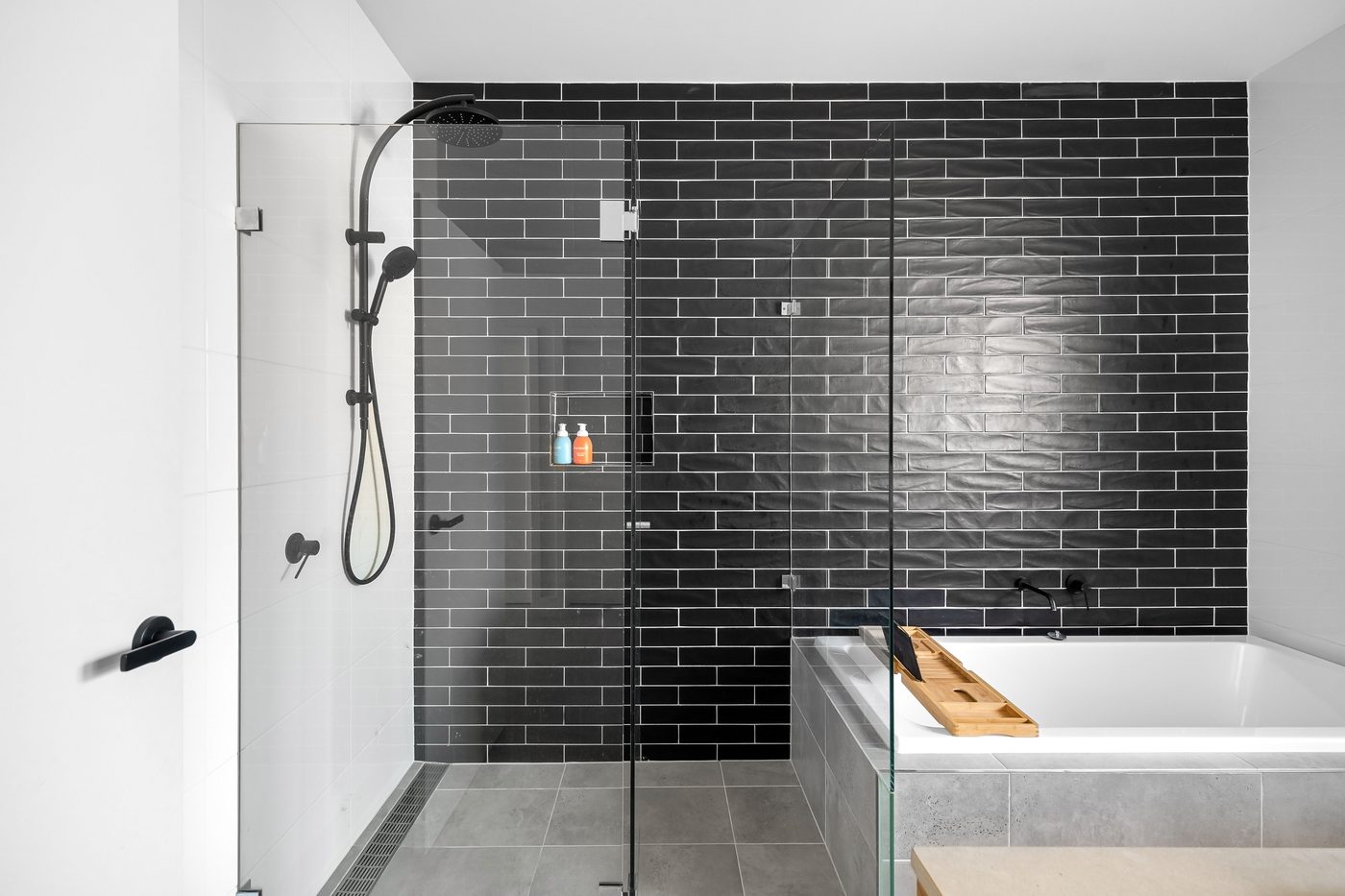
Electric showers are one of the most common ways to add a shower in a British home. They are simple, independent of the boiler and fairly compact. In the right house they are a very good choice. In the wrong one they disappoint. Here is how to tell which yours is.
How an electric shower works
An electric shower takes cold water straight from the mains and heats it inside the unit as it flows through, using a powerful element. It does not need a hot water cylinder or a boiler. Turn it on and it heats the water there and then.
When an electric shower suits
- Combi homes with a second bathroom. A combi can struggle to run two showers at once. An electric shower in the second bathroom takes the load off.
- Homes with no stored hot water and a boiler you do not want to rely on.
- Gravity systems with very low pressure, where a pump is not practical. An electric shower uses the mains instead.
- A backup. If the boiler fails in winter, you still have a hot shower.
- Cellar or loft bathrooms where running hot water pipes would be hard.
When it does not
- Very low mains pressure or flow. Each electric shower has a minimum running pressure set by the maker. Below that, it may run hot and weak, or switch off to protect itself.
- If you want a powerful, high flow shower. An electric shower is limited by how much water the element can heat. In winter, when the incoming water is colder, the flow at a comfortable temperature drops.
- No room on the consumer unit for a new circuit, unless the board is upgraded.
Mains flow in Sheffield
Because an electric shower runs on the mains, the pressure at your house matters. Yorkshire Water’s water pressure guide explains that homes higher up, closer to the height of the storage reservoir, get lower pressure. In a hilly area like Walkley, a house at the top of a steep street can have noticeably less pressure than one at the bottom.
Many Walkley terraces also have old supply pipes, sometimes shared with neighbours, which reduces flow further. Our Walkley area page explains how those pipes were laid. Before choosing an electric shower, a plumber can measure the flow at the kitchen tap and check it against the shower’s minimum.
The electrical side
Electric showers draw a lot of current, so they need their own circuit from the consumer unit, with cable sized for the shower’s rating, a suitable protective device and an isolating switch, usually a pull cord in the bathroom.
In England, installing a new circuit is notifiable electrical work under Part P of the Building Regulations. It should be done by an electrician registered with a competent person scheme, who can self certify it, or notified to building control. Our post on Sheffield building control explains how that works.
A plumber handles the water connection: a cold supply with an isolating valve, any check valves the maker requires, and a sealed, secure fixing on the wall.
Replacing an existing electric shower
Swapping an old electric shower for a new one of the same or lower rating, on the same circuit, is simpler. But if the new shower is more powerful, the cable and protection may need upgrading. An electrician should check before you buy a bigger unit.
Water hardness and electric showers
Electric shower elements heat water directly, so they are sensitive to scale. Yorkshire Water’s 2025 water quality report shows very soft water in much of west Sheffield, including the Fulwood zone covering Walkley and Crookes, at 9.5 mg/l calcium. Electric showers there tend to keep their performance.
In Handsworth and Rotherham, where the water is moderately hard to hard, scale builds on elements and in the spray plate. Descaling the head regularly helps, and some units have a scale management setting.
Electric shower or mixer shower?
| Electric shower | Mixer shower | |
|---|---|---|
| Hot water source | Heats its own | From boiler or cylinder |
| Works if boiler is off | Yes | No |
| Flow | Limited by element power | Depends on system and pressure |
| Needs new electrical circuit | Usually | No (unless pumped) |
| Running cost | Electricity | Gas or whatever heats your water |
| Best for | Second bathroom, backup, low hot water pressure | Main shower with a good hot supply |
Planning one
Our bathroom installation page explains how we plan showers around the pressure and system you have. If your current shower is weak, our post on a low pressure shower may explain why before you choose.
Tell us which room it is for, what hot water system you have and whether there is already an electric shower, and we will tell you whether it is a good fit.
Quick questions
Does an electric shower need a new circuit?
Usually yes. Electric showers draw a lot of power and need their own circuit from the consumer unit, sized for the shower.
Can a plumber fit an electric shower?
A plumber can do the water side. The electrical work should be done by a registered electrician, or checked by building control.
Will an electric shower work with low water pressure?
It needs a minimum flow and pressure set by the maker. On very low pressure, it may run hot and weak or not at all.
Is an electric shower good in hard water?
It works, but scale builds on the heating element. In soft water areas like west Sheffield, elements tend to last longer.
Last updated 23 October 2026. Written for homes in Sheffield. Rules can change, so check the linked sources for the latest position.